How we make beautiful compost on a tiny apartment balcony
Turning food waste into useful soil, despite limited space — it’s a labor of love

This post is Part 3 of a three-part series I’m generously calling “Permaculture in the City.” Read Part 1 here and Part 2 here.
If you’re used to composting, then throwing a banana peel into a garbage can just feels wrong. If you let it, the peel will decompose rapidly, turning back into soil and continuing nature’s cycle. That’s a much better outcome than intermingling with trash, getting sealed up in a plastic bag, weighing down a garbage truck, and filling up a landfill.
In the home I grew up in, composting was as second-nature as recycling.
Our low-effort heap in the backyard was held in place by a hard plastic enclosure and four wooden stakes. Every evening, a fresh pailful of kitchen scraps was dropped in, yet the heap never overflowed. Once or twice a year, we’d turn up the bottom with a pitchfork and remove some material to use in the garden.
In my friends’ homes, I learned that the “normal” thing to do after dinner was to scrape what was left on your plate into the garbage can. This bothered me.
At my parents’ dinner table, I learned never to put more on my plate than I knew I would finish. (It blows my mind that not every child is raised this way.) Because we rarely ate meat, any inedible scraps that were left on our plates were compostable. Plates were never scraped into the garbage can.
This was the 1990s. In those days, outside of the home, I don’t remember hearing too much about reducing waste or controlling one’s carbon footprint. But, for my parents, filling up less than one garbage bag per week for our family of four was a matter of values, and a point of pride.
That preachy prologue is just to say: I really dislike not composting.
These days, I live in an apartment in a big city. Compared to outdoor composting, the process is more challenging when working with limited space and no access to the ground. Here’s how we make it work.
My partner and I compost in an 11-gallon bin on our apartment’s tiny balcony. This is close to the smallest feasible bin size that could make composting worthwhile. A smaller container would fill up too quickly to serve as a meaningful long-term destination for food scraps.
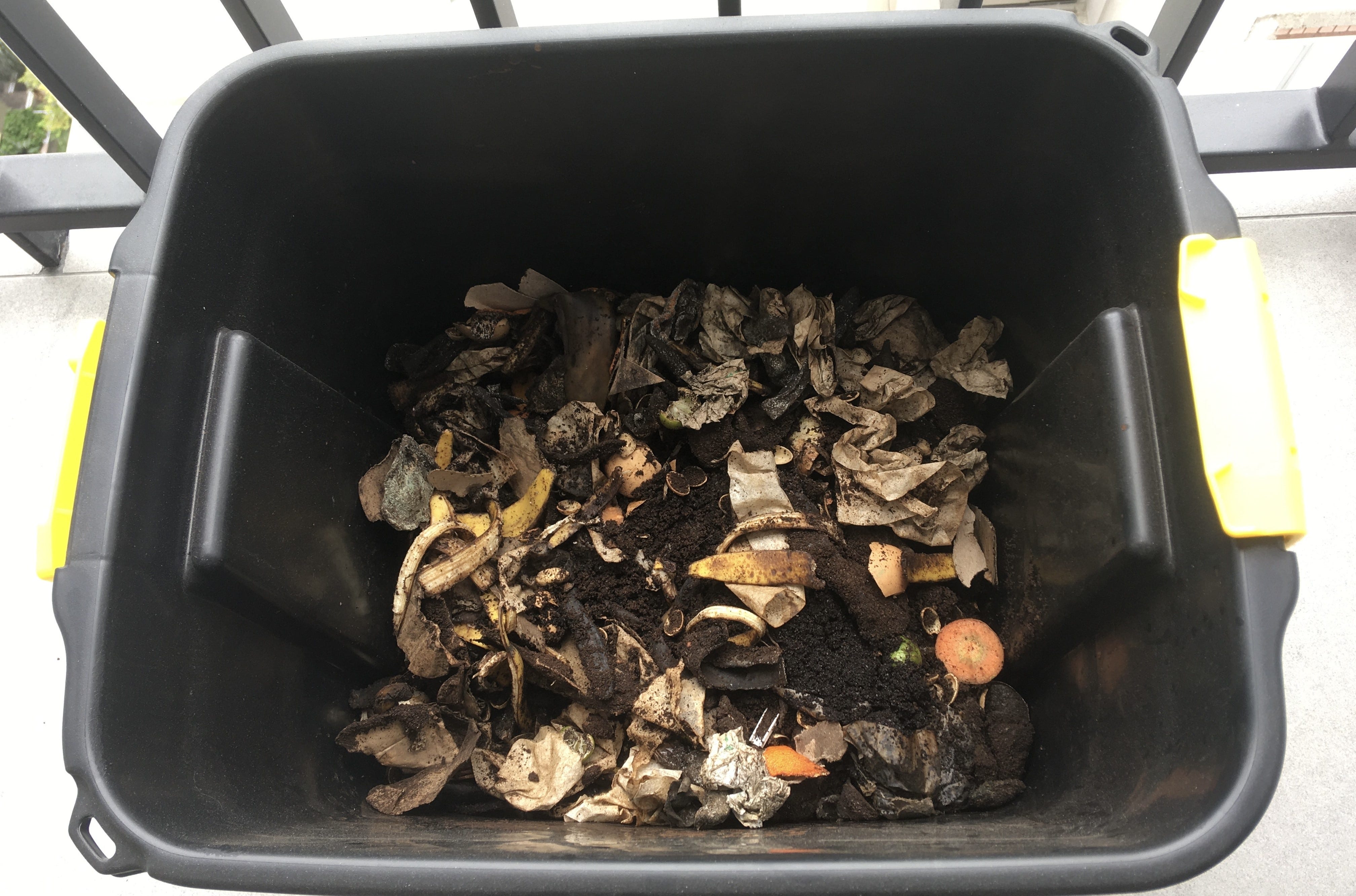
Here’s a quick rundown on our container composting method:
Do you keep the bin covered or uncovered? Uncovered, always.
Does the bin have worms? Nope. Worms are great, but you can compost without them. Our process is 100% performed by microorganisms.
Does the bin smell bad? No, never.
Does the bin attract bugs? Yes, small flies. We keep the patio door closed next to the bin.
What do you put in? Fruit and veggie scraps, coffee filters, coffee grounds, egg shells, and an occasional cardboard toilet paper tube.
What do you avoid putting in? No paper with ink and no plant-based scraps that are too large or dense (avocado seeds, corn cobs, melon rinds).
Do you balance greens (nitrogen-rich) and browns (carbon-rich)? We don’t think much about this. Most of the material we add is green, but a daily paper coffee filter seems to provide sufficient nitrogen/carbon balance.
Do you stir? Yes, a few times per week. For container composting, stirring is essential for speeding up decomposition and preventing the container from quickly filling up.
Making compost is easy. Decomposition is a natural process you can facilitate without much effort.
For me, the most amazing aspect of composting is how dramatically the inputs are reduced in mass. When we first started this bin, we were able to add material on a daily basis for almost a year before the container was full.
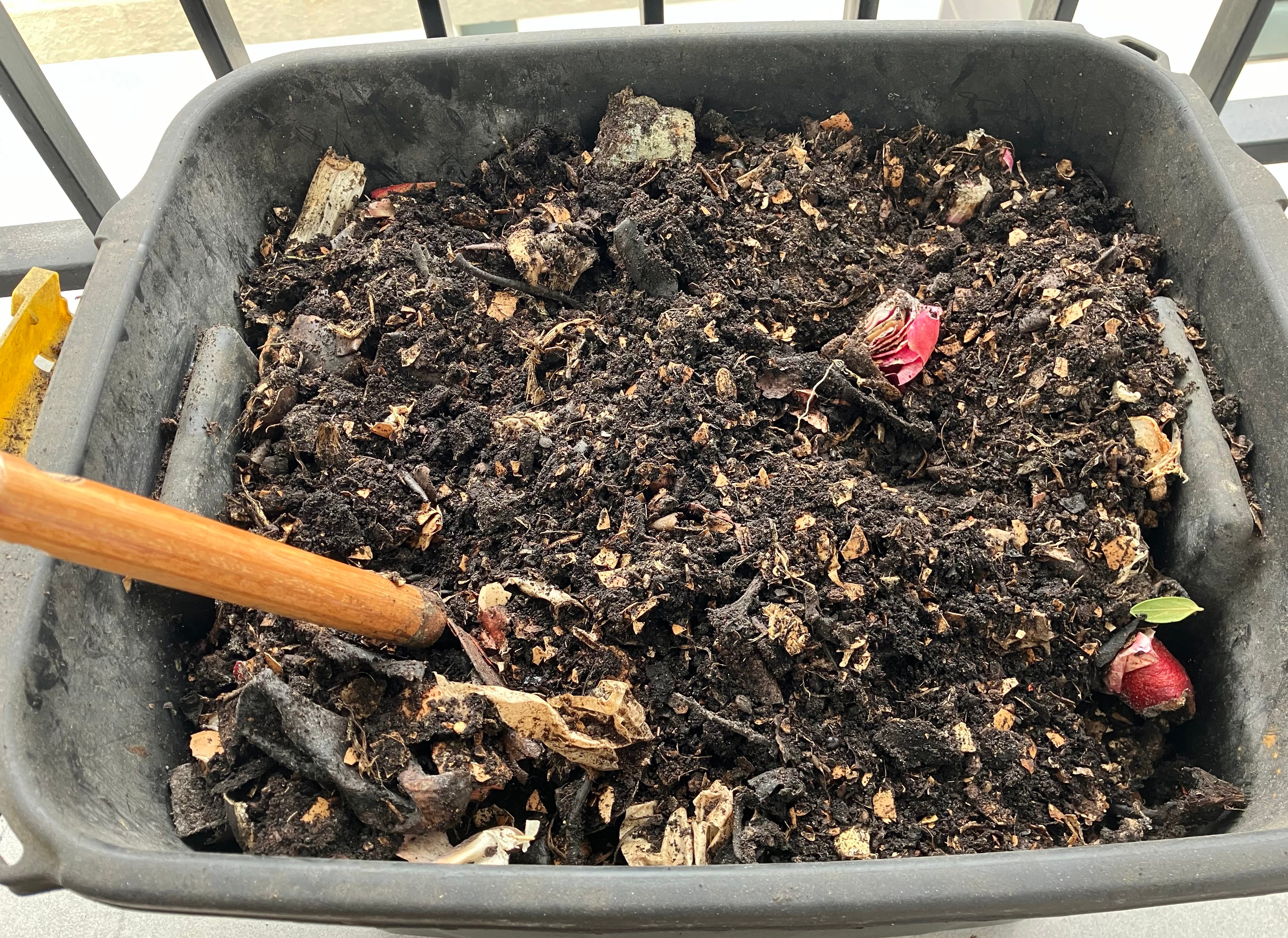
Although a compost container fills up at an unbelievably slow rate, eventually, running out of space is inevitable. Sooner or later, you have to start taking stuff out so you can keep putting stuff in.
Fortunately, a successful compost bin is full of useful carbon-rich soil. The problem is, the finished product is mixed together with the recently added materials.
To remove soil from the compost, we sift it. Like all aspects of composting, it would be preferable to do this outdoors. But, we make it work.
To sift our soil, we use a colander.
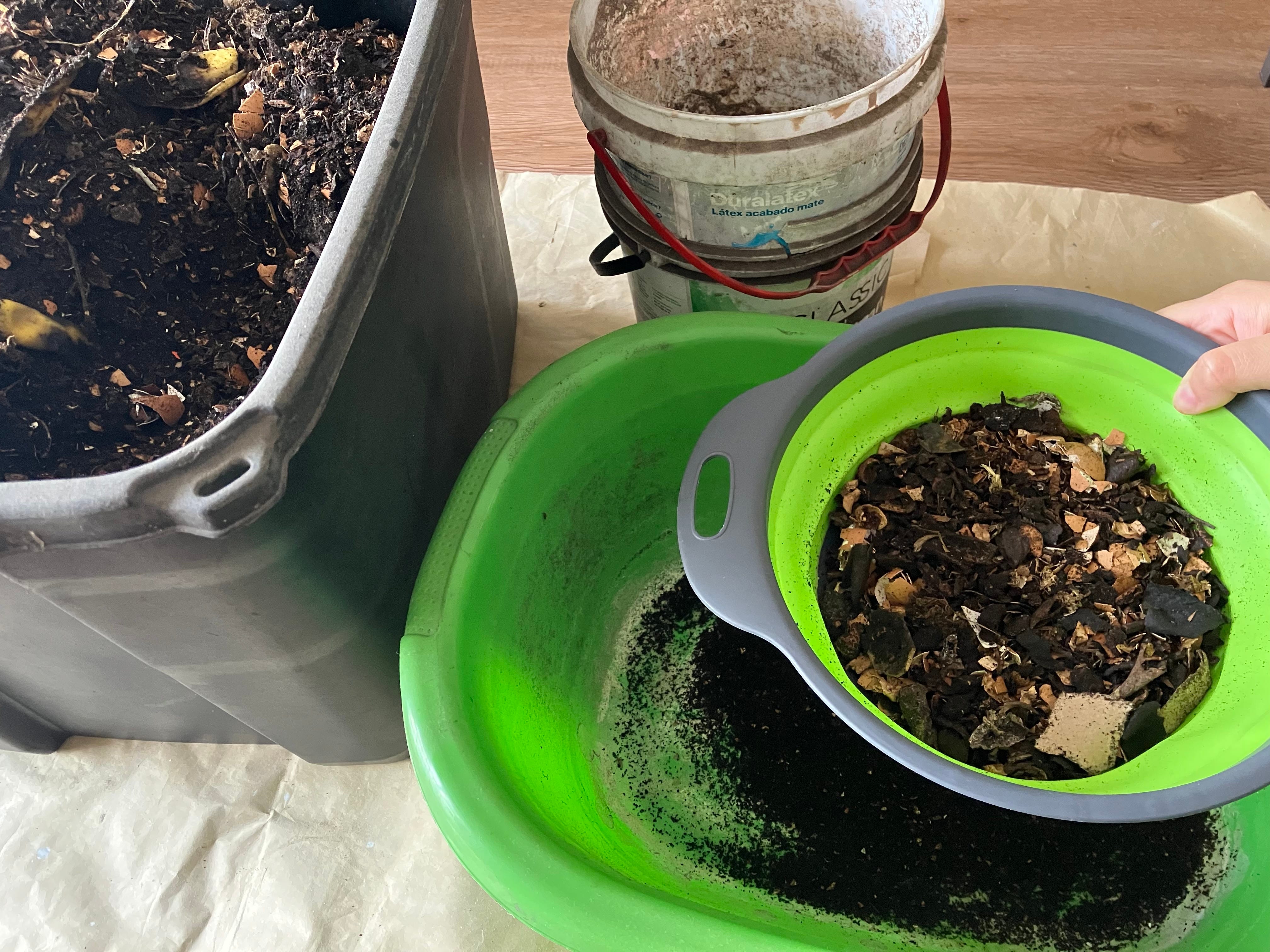
We scoop small amounts of compost onto the colander, shimmy and press the soil through, and then set aside the leftover bits and pieces. We repeat this process dozens of times.
The bits and pieces that were separated during sifting are returned to the bin. The soil we collect becomes part of our houseplant potting mix.
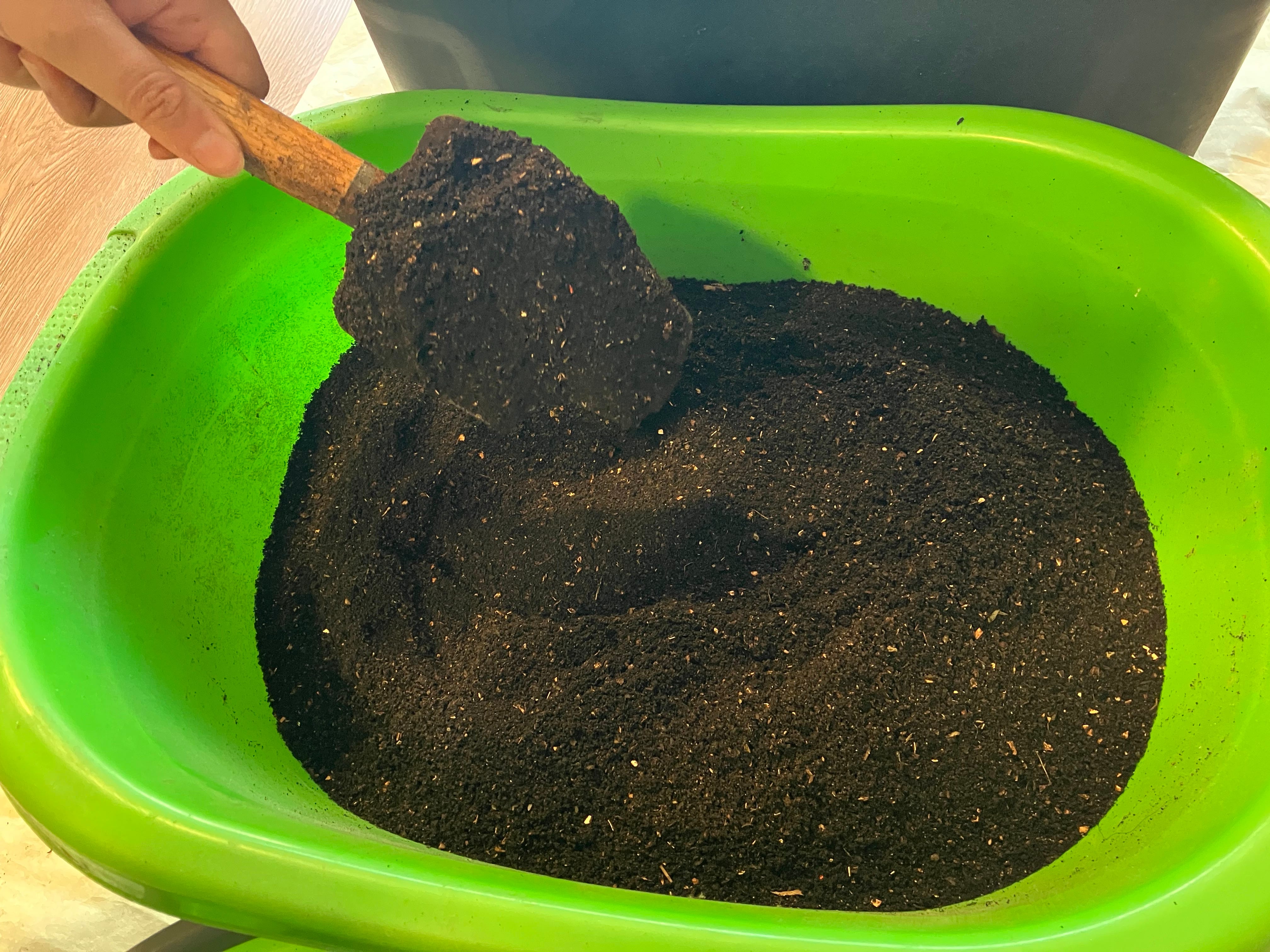
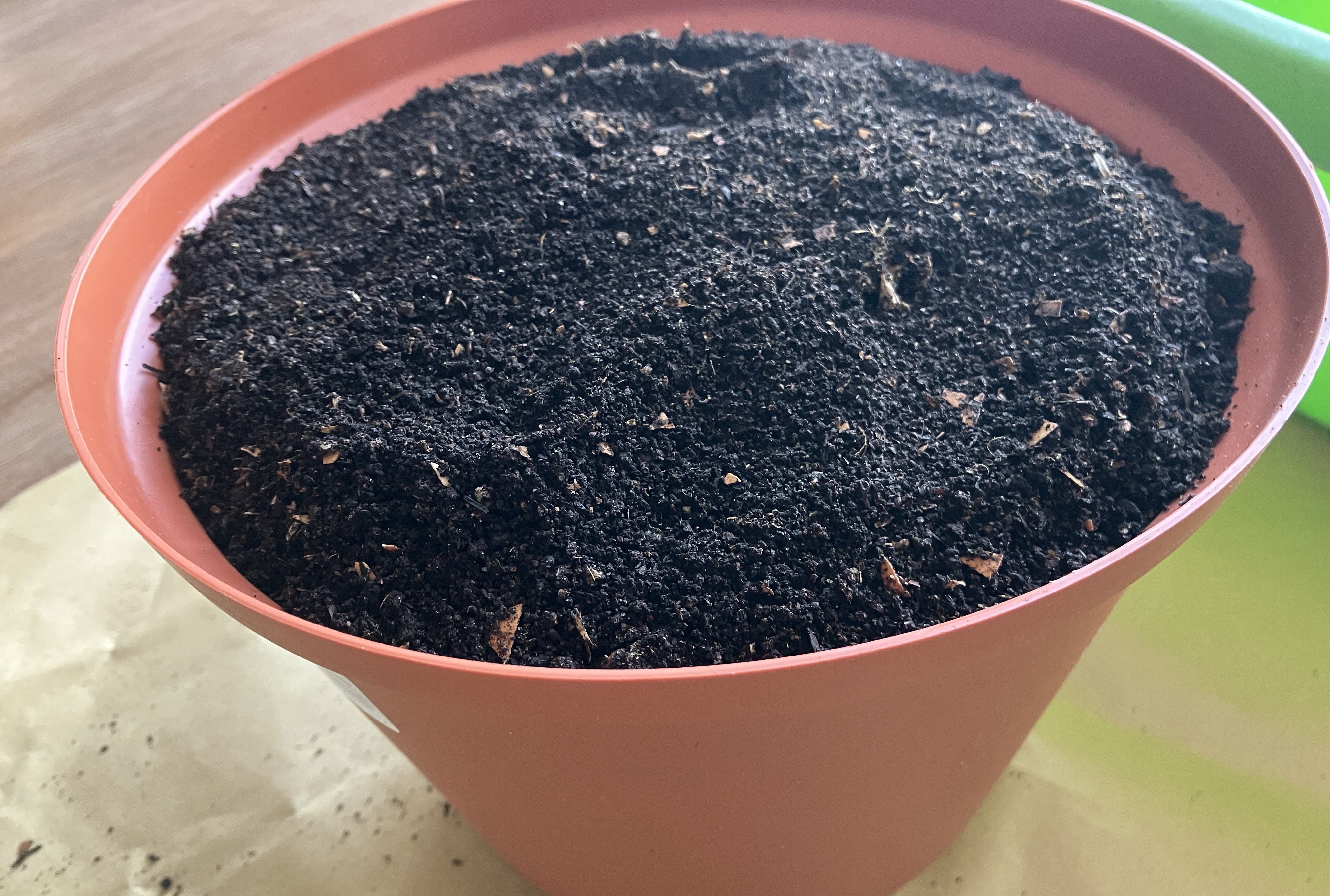
Our finished product is seriously beautiful.
After collecting and storing compost over the past few years, we no longer need any other soil inputs for our plants. When we pot plants now, the mix contains just two elements: our compost and perlite.
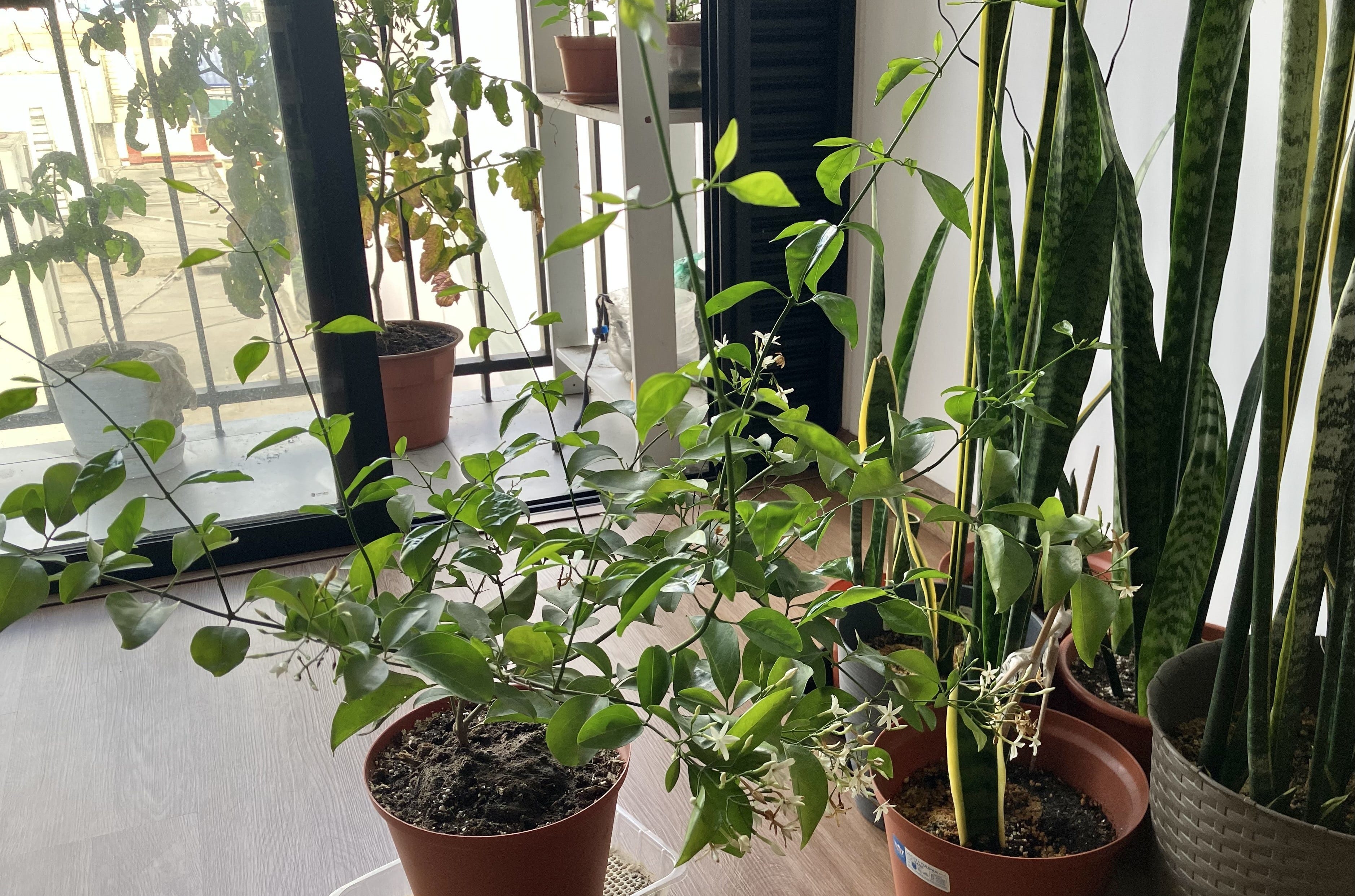
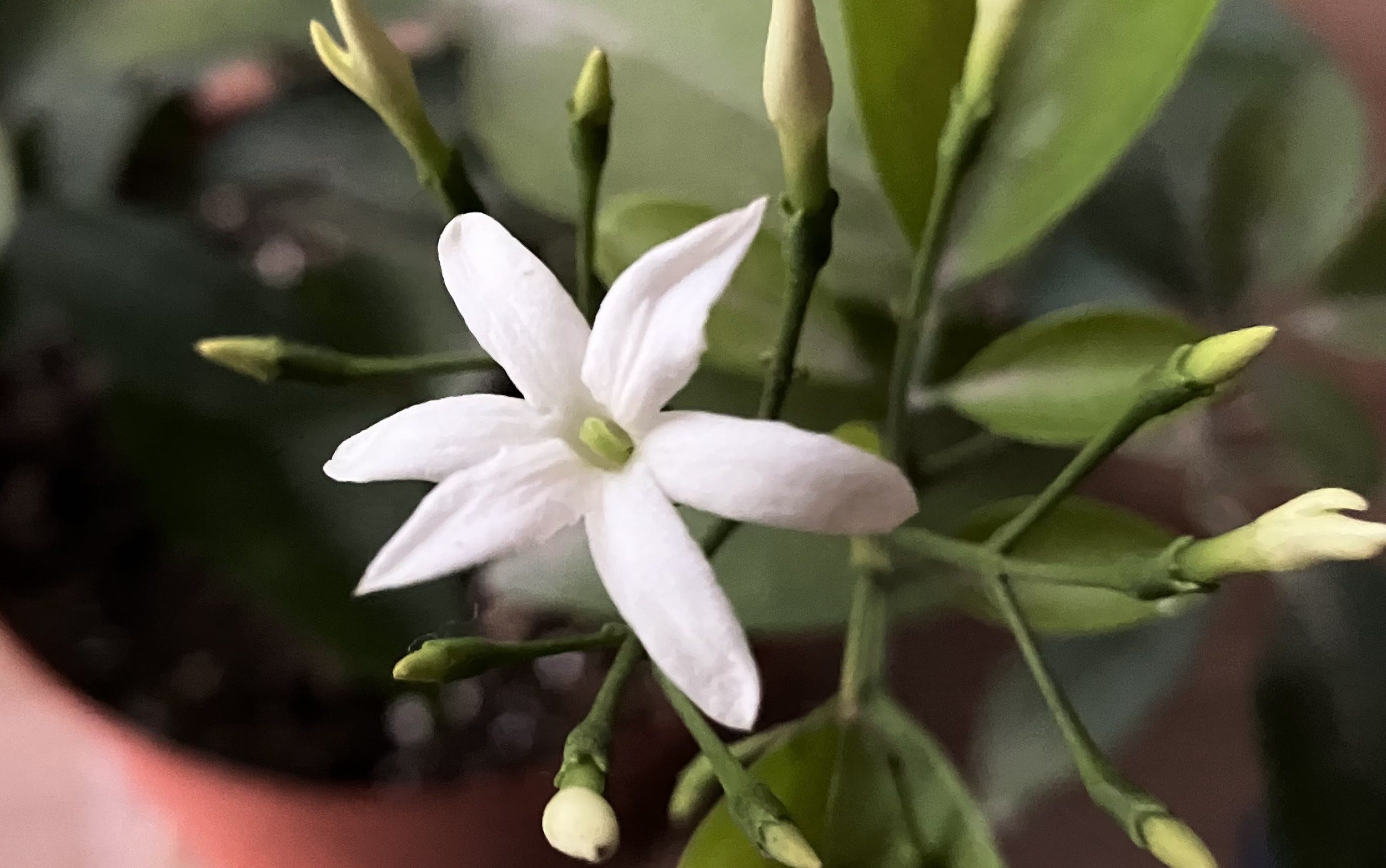
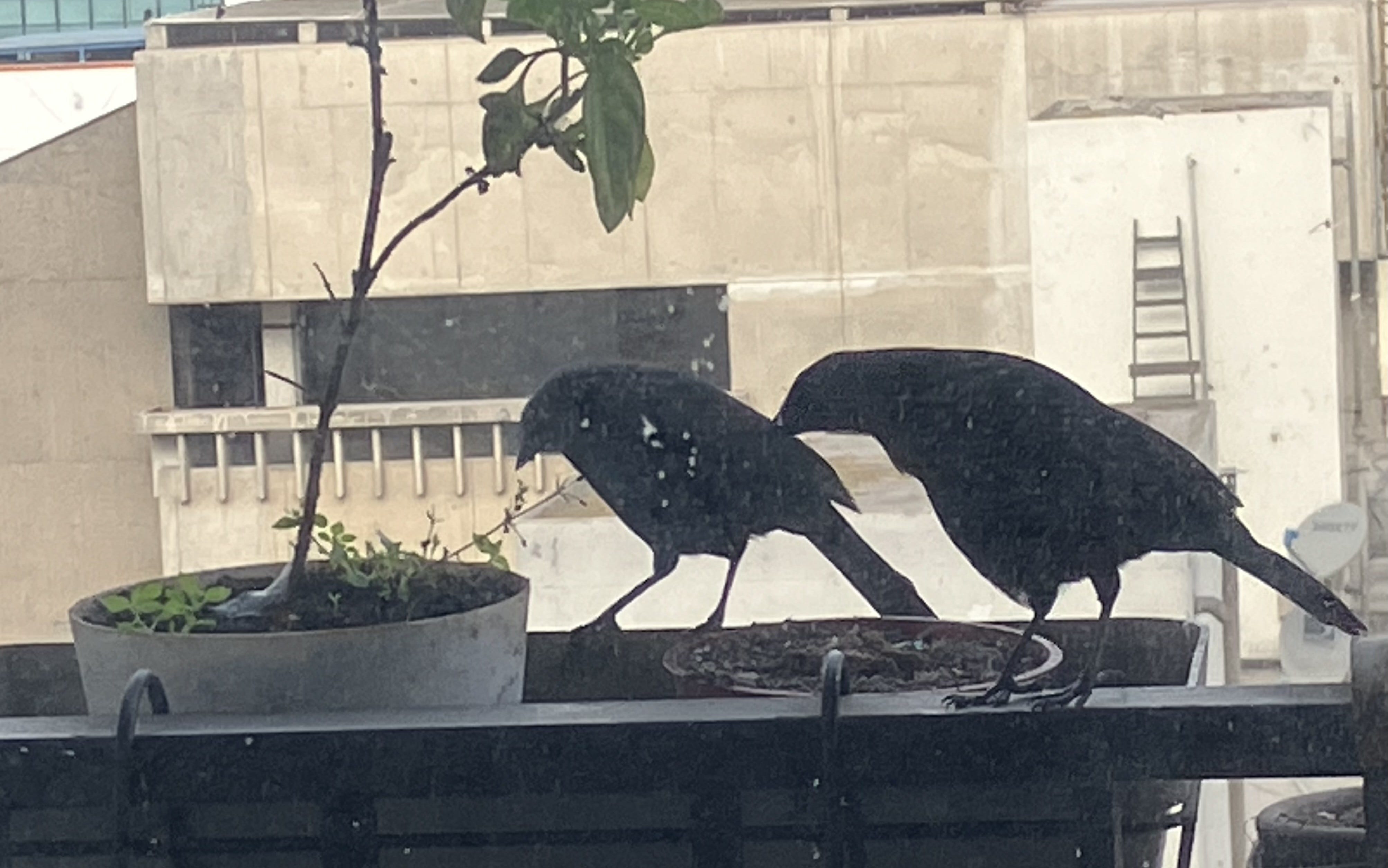
Although we don’t have much room for gardening, we have a lovely collection of snake plants and a jasmine plant indoors, along with some veggies outside. We even get bird visitors who pick through our seeds. A few months ago, a tomato plant started growing in one of our unoccupied pots, and we’re fairly sure the seed was put there by one of our blackbird visitors. So, our food becomes scraps, the scraps become soil, the soil grows new food, a bird helps out… we’ve got a nice little cycle of life going, here in the big city.
Making soil from food scraps is a satisfying experience. Doing so without access to the ground outdoors is challenging, but it’s a wonderful way to stay connected to nature in a concrete jungle that often feels overwhelming and stifling.
Fantastic breakdown on the sifting process, that's where most apartment composters hit a wall. The colander trick is genius for limited space situations. I tried bokashi composting once but the smell management was brutal, and your microorganism-only approach seems way more doable for shared living spaces. The fact that a year's worth of scraps fits in an 11-gallon bin still blowsmy mind.
Every family should be doing this. Thanks for the information. We are a composting family too.